ADIS 2026 Dates and Venue
Summit Dates
12–14 May 2026
Location
ICC Hall, ADNEC
Abu Dhabi, UAE



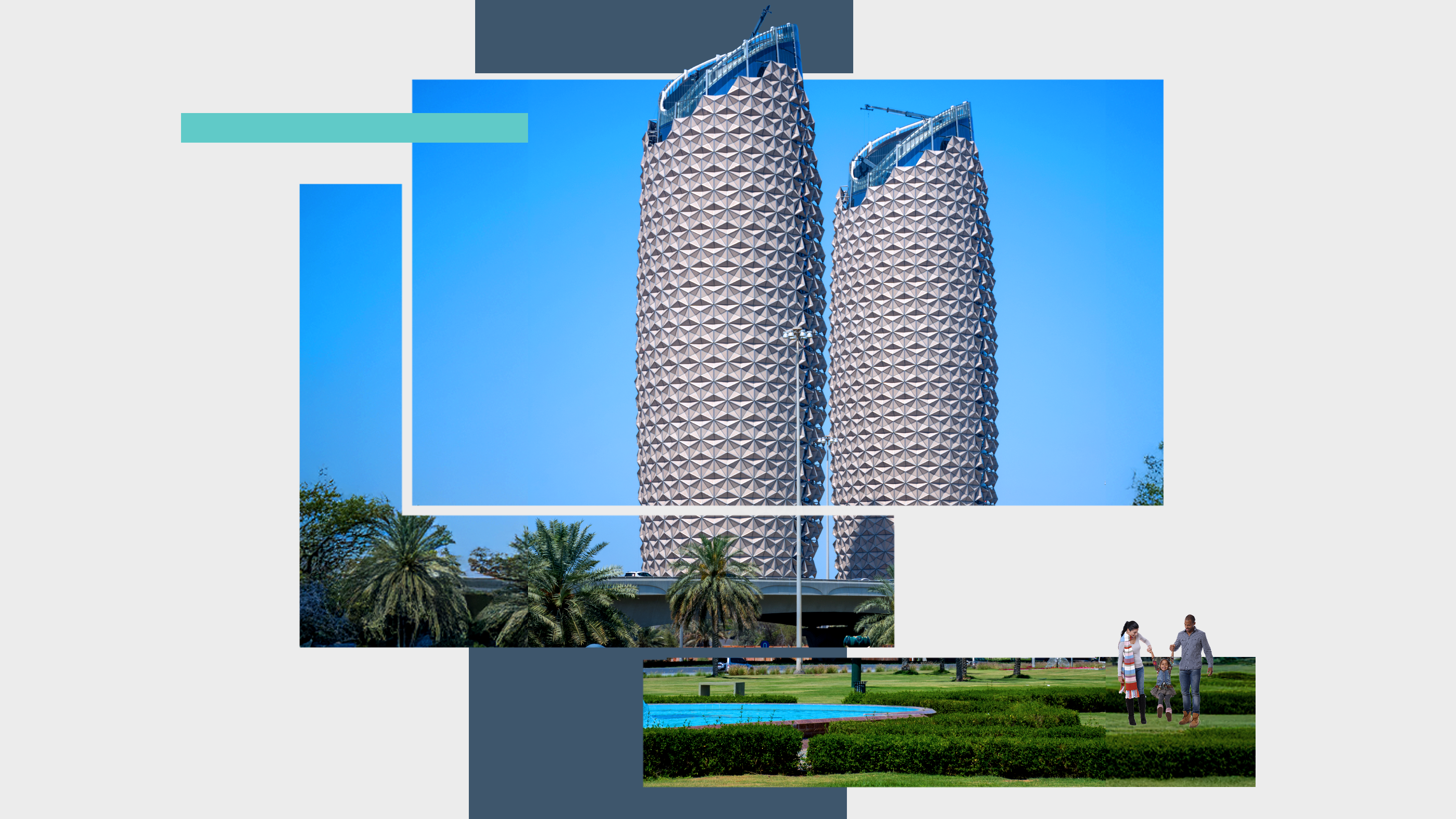
Summit Dates
12–14 May 2026
Location
ICC Hall, ADNEC
Abu Dhabi, UAE
Cities worldwide are entering a moment of profound transformation. Rapid population growth, shifting economic power, climate pressures, and accelerating digital technologies are reshaping how people live, move, and connect. Traditional, incremental models to city-building are no longer sufficient to meet the scale, complexity, and speed of today’s urban evolution
The traditional model of city-building — incremental, sector-specific, and infrastructure-led — is no longer sufficient. Today, the most competitive cities are those that evolve: rethinking how urban systems are designed, financed, delivered, and experienced, while placing human wellbeing at the centre.
"Urban evolution is not about building more — it is about building better."
It represents a fundamental shift toward adaptive, resilient, and economically dynamic cities that deliver world-class liveability while ensuring sustainability. Cities must move beyond isolated infrastructure delivery to create integrated urban environments that foster opportunity, enable mobility, support creativity, and enhance lifestyles that reflect future aspirations.
Abu Dhabi stands at the forefront of this global shift. The Emirate is not only redefining urban planning, it is already demonstrating delivery at scale. With one of the world’s most ambitious capital project and infrastructure development pipelines, Abu Dhabi is setting a global benchmark for governance, execution excellence, and measurable urban outcomes that directly improve how people live, work, and thrive.
As governments, developers, investors, and innovators gather at ADIS 2026, The Urban Evolution becomes a global call to action — to rethink how cities are imagined, reimagine how infrastructure is delivered, and redefine the lifestyles that shape society’s future.
Building on the overwhelming success of ADIS 2025 and record-breaking industry demand, ADIS 2026 is set to be our most significant summit yet. We are expanding the platform to accommodate a global surge in infrastructure investment and partnership opportunities.
Convening under the theme “The Urban Evolution: Rethinking Cities, Redefining How We Live”, the 2nd edition of the Abu Dhabi Infrastructure Summit (ADIS) highlights the priorities and strategies that are expected to shape the future of infrastructure. ADIS brings together ministers, CEOs, developers, investors, academics, and industry to address the full infrastructure value chain – from master planning and design through construction, financing, and operations – with a deliberate focus on the interconnected systems that underpin modern urban life.
Urban populations are set to grow by 2.5 billion by mid-century. 106 trillion US$ is required in global infrastructure investment through 2040, and the decisions taken today will determine the future of tomorrow’s cities. Cities must evolve into actively designed ecosystems that integrate people, purpose and planet into coherent, resilient systems that deliver stronger growth and stability. Drawing on the UAE’s transformative experience, the opening address will illustrate the roadmap needed to deliver the next generation of cities and how aligned governance and strategic capital deployment can accelerate the transition from blueprint to built reality.
Traditional city-building is giving way to city-making: a more organic, participatory approach that recognises cities as living ecosystems shaped by their inhabitants. Innovative models of co-creation, adaptive governance frameworks, and bottom-up interventions are reshaping urban spaces from Singapore to Copenhagen. As two-thirds of the global population heads toward urban centers by 2050, the distinction between city-building and city-making will define whether our cities thrive or merely survive. How can cities transition from being built for people to being made with people? How do we balance visionary planning with community agency? What role should technology play in democratising urban development? And how can cities become more responsive to rapid demographic, environmental, and economic shifts?
As nations around the world grapple with rapid urbanisation, the energy transition, and rising demands for resilience, many are still navigating the gap between ambition and execution. The challenge is no longer defining bold national visions, it is delivering them at speed, scale, and with precision.
In this exclusive fireside conversation, H.E. Suhail Mohamed Al Mazrouei, UAE Minister of Energy and Infrastructure, will offer a rare inside perspective on how the UAE is setting a new global benchmark for infrastructure delivery, where vision is consistently translated into reality at speed, at scale, and with precision.
From delivering transformative urban development and national housing programmes to advancing energy security, efficiency, and sustainability, the UAE has built a deeply integrated model where infrastructure and energy are planned and executed as one unified system. Underpinned by decisive governance, forward-looking policy, and strong public-private collaboration, this model enables the country to consistently move from strategy to implementation with exceptional and unmatched speed, consistency, and momentum.
This conversation will unpack the principles, frameworks, and partnerships behind that success, exploring how the UAE is not only building world-class infrastructure, but redefining how infrastructure systems should be conceived, delivered, and experienced.
At a time when global economies are searching for scalable, future-ready solutions, the UAE model stands out as a compelling blueprint for what it truly takes to build the world’s best infrastructure. Because in the UAE, infrastructure is not just built to meet demand, it sets the pace for what the future should look like.
Even the most ambitious infrastructure visions ultimately depend on the companies that engineer, build, and deliver them. Decarbonising construction processes while reducing cost, scaling output, and optimising delivery demands a fundamental rethink of how projects are conceived and delivered. While modular and offsite manufacturing techniques are compressing delivery timelines by 20–50%, and digital tools, robotics, and AI-augmented design are reshaping every stage of the project lifecycle, driving a workforce transformation that the industry has barely begun to address. Meanwhile, governance and contractual innovations are enabling more effective risk-sharing between public and private sectors, and the role of the developer is evolving from build-and-exit contractor to long-term asset operator. How are developers navigating their evolving role? What are they doing to deliver infrastructure at speed and scale to not just meet rising demand but to enable a wider urban ecosystem?
Rapid urbanisation and workforce expansion are creating a housing crisis across emerging markets worldwide, where population growth consistently outpaces infrastructure development. From Southeast Asian megacities to the GCC, governments and developers struggle to deliver affordable housing at the scale and speed demanded by economic transformation. Abu Dhabi exemplifies this global challenge with particular intensity. With the workforce expanding 9.4% to 2.76 million, the pressure on housing infrastructure has reached critical levels. Yet the region's leading developers are proving that scale and quality need not be mutually exclusive. Through innovative construction methodologies, strategic land partnerships, and community-centric design, a new generation of projects is redefining what affordable housing can look like - delivering competitive returns alongside measurable sustainability and social outcomes. As capital markets reset and housing shortages deepen, how are developers combining speed-to-market with long-term community value? What financial models, construction innovations, and public-private frameworks are enabling inclusive communities that sustain economic growth?
Data is increasingly emerging as the world’s most strategic asset, and recent years have seen unprecedent global capital flowing into data centre infrastructure development. The GCC, particularly, is experiencing a rapid growth in digital infrastructure driven by Vision plans and public policy frameworks underpinning digital transformation priorities, national digital-first agendas, ambitious targets for e-government services, AI adoption, cloud infrastructure and smart city development. As investments deepen in building sovereign, sustainable and secure digital infrastructure, what does the new geopolitical digital order look like? How are governments and technology companies fostering regional integration and building capacity across talent and capital? How will it impact our cities and the people who live in it?
Infrastructure decisions made now will solidify technology pathways, market standards and value chains for decades. These decisions - from technology deployment to capacity building, access to larger markets and resilience - will be forged through diversified partnerships. Complemented by strategic capital deployment and policy innovation, cross-sector partnerships can accelerate system-wide transformation and unlock long-term prosperity. In recent years, partnerships have evolved from conventional public-private arrangements into purpose-built, multi-stakeholder platforms designed for speed, scale, and adaptability. Minilateral partnership frameworks are proving more agile in delivering infrastructure at pace than traditional multilateral processes. What cross-sector partnerships have proven to address complex infrastructure challenges in recent times? How is the industry fostering global partnerships while enabling in country value?
The structural transformation of infrastructure as an asset class carries strategic implications for governments, developers, and investors. Data shows that 75 % of recent infrastructure capital has targeted cross-vertical opportunities spanning energy, digital, and transport, signalling that traditional boundaries of infrastructure investing are dissolving. Yet this growth masks a persistent paradox: whilst capital is abundant, the pipeline of bankable, investment-ready infrastructure projects remains insufficient, particularly in the emerging markets where the need is greatest. New frameworks that align long-term capital with the USD 106 trillion investment requirement are essential, including blended finance instruments, green bonds, and governance innovations that de-risk frontier projects without socialising returns.
The ADIS presentations shift the focus from high-level strategy to the operational mechanics of Abu Dhabi’s $57 billion+ capital project pipeline. Delivered by our strategic partners and industry pioneers, these sessions provide a deep dive into the technical frameworks, digital integration, and sustainable delivery models currently defining The Urban Evolution. These showcases are designed for professionals seeking to bridge the gap between global best practices and the built reality of the UAE’s most ambitious infrastructure projects.
Urban mobility systems are being redesigned to meet converging demands for decarbonisation, accessibility, and economic efficiency. Electric vehicles are reshaping energy demand patterns, autonomous mobility is moving from trials to deployment, and air taxis are expected to enter commercial service in Abu Dhabi as early as 2026. The fundamental relationship between personal vehicle ownership and urban form is beginning to shift. In addition, trade growth and connectivity needs are placing further pressure on freight and logistics networks. The last mile remains the most expensive, carbon-intensive, and operationally complex segment of the global logistics chain, generating a disproportionate share of urban congestion and emissions. With global e-commerce volumes projected to exceed USD 8 trillion by 2027 and urban populations continuing to expand, the infrastructure systems that support urban mobility and last-mile delivery are under strain as never before. What is the infrastructure investment required to support these innovations? From dedicated drone corridors to autonomous vehicle lanes, and electric vehicle charging networks for delivery fleets, what are regulatory, capital and capacity investments needed to coordinate increasingly complex urban mobility ecosystems?
The infrastructure sector is currently undergoing a "Great Reset," driven by the convergence of digital maturity, extreme climate variability, and evolving financing models. Optimising delivery now requires moving into a domain of sophisticated project coordination and predictive execution. Optimisation is no longer a race to the bottom of the balance sheet but a strategic pursuit of Life Cycle Performance. What can developers do to optimise project delivery? How can the industry toward integrated risk-reward models that align the incentives of owners, designers, and contractors? How can AI-assisted logistics and off-site manufacturing be used to augment current workforce?
Over 90% of materials consumed are never recycled or reused. For the construction sector, the transition to circular practices represents both an environmental imperative and a substantial economic opportunity. Companies substituting locally sourced industrial waste for new materials have achieved production cost reductions of up to 40% whilst dramatically reducing environmental impact. Circular economy principles can be embedded across the infrastructure value chain – from design and procurement through construction, operation, and end-of-life management. Green growth depends on embedding circularity into infrastructure procurement at national scale. However, the practical challenges of scaling circular practices include supply chain coordination, the cost competitiveness gap with linear approaches, and the role of digital platforms in creating marketplaces for recycled and reused construction materials.
The global wellness real estate market has surged to an estimated USD 438 billion, growing at more than 18% annually, the fastest segment in the broader USD 6.3 trillion global wellness economy. What was once a niche amenity for luxury developments is rapidly becoming a mainstream expectation. Prospective buyers increasingly evaluate air quality systems, biophilic design, access to nature, active mobility infrastructure, and mental health-supportive environments as fundamental criteria alongside location and price. The COVID-19 pandemic accelerated this shift, but the underlying drivers – urbanisation, aging populations, rising chronic disease, and growing scientific evidence linking the built environment to health outcomes – are structural and permanent.
Developers, certification leaders, design innovators, and academic researchers shaping the global wellness communities movement examine how health and wellbeing are being integrated into residential and mixed-use developments at every scale – from individual buildings certified under WELL or Fitwel standards to entire master-planned communities designed around active living, nature immersion, and preventive health infrastructure. What does the next generation of lifestyle infrastructure include? How are developers integrating sustainability, wellness, and technology for an increasingly complex urban environment?
The global branded residences market has surged to over 910 completed schemes worldwide in 2025, with projections indicating nearly 1,750 by 2032. The GCC has emerged as the epicentre of this transformation, with Abu Dhabi experiencing a 126% increase in branded residence transaction volumes in 2025 and a future pipeline of over 2,700 branded units across more than 20 projects. What began as a niche hospitality play has evolved into a sophisticated co-creation model spanning fashion, automotive, technology, wellness, and entertainment. Developers are no longer simply licensing a brand name; they are co-designing entire lifestyle ecosystems that integrate brand identity into architecture, interiors, amenities, services, and community programming. From Armani and Versace to Bugatti and Manchester City, the convergence of luxury brands and real estate is reshaping urban development across the GCC and beyond.
As wealth migration accelerates and the EMILLI (Everyday Millionaire) segment emerges as a powerful demand driver, how are developers and brands co-creating residential experiences that transcend traditional real estate? What governance and quality assurance frameworks are needed to protect brand integrity at scale? How can branded developments contribute to broader urban placemaking objectives rather than creating isolated enclaves? And as the market matures, what does the next wave of brand-real estate partnerships look like – beyond hospitality and fashion into technology, wellness, and culture?
The ADIS presentations shift the focus from high-level strategy to the operational mechanics of Abu Dhabi’s $57 billion+ capital project pipeline. Delivered by our strategic partners and industry pioneers, these sessions provide a deep dive into the technical frameworks, digital integration, and sustainable delivery models currently defining The Urban Evolution. These showcases are designed for professionals seeking to bridge the gap between global best practices and the built reality of the UAE’s most ambitious infrastructure projects.
The opening keynote sets the vision and tone for the conference, examining the evolving role of consulting engineers in a rapidly changing global landscape. It will highlight how quality, integrity, and sustainability form the essential foundations of future ready infrastructure, underpinning trust, resilience, and long term value. The keynote will underscore the role of FIDIC contracts as the global standard, enabling effective global partnerships, stronger market engagement, and trusted project delivery across diverse markets, regions and regulatory environments.
Procurement decisions taken at the earliest stages of a project shape not only delivery performance and value for money, but also long-term quality and environmental impact. This session explores how effective procurement, guided by FIDIC principles, can support successful and sustainable project delivery from inception through operation. It will examine the alignment of procurement models with project objectives, the importance of value and quality-based selection, the selection of the appropriate FIDIC form of contract, and the need for strong project preparation. The session will also highlight how adopting a full life cycle approach from design through construction, operation, and eventual decommissioning, enables better decision making and more resilient infrastructure outcomes.
Particular emphasis will be placed on capacity building for clients, consultants, contractors, supply chain and project teams, recognising that life cycle thinking requires appropriate skills, governance frameworks, and institutional capability. Practical examples will demonstrate how investment in capacity building, early planning, and market engagement strengthens confidence, improves outcomes, avoids disputes, and supports sustainable infrastructure development.
Successful project delivery depends not only on selecting the right form of contract, but on how that contract is applied in practice. This session examines how FIDIC contracts, when applied in line with the FIDIC Golden Principles, promote fair and balanced risk allocation, clarity of roles and responsibilities, and effective project management. It will explore how the proper administration of FIDIC contracts, including the role of the Engineer, early warnings, timely decision making, and transparent communication supports collaboration, reduces conflict, and enables projects to adapt to change while maintaining trust between the parties. The session will also focus on the importance of strong project management capability across all stakeholders, recognising that contracts are only as effective as the people and systems responsible for implementing them.
Recognising that dispute avoidance is fundamental to successful project delivery, FIDIC champions a strong dispute avoidance system and the use of Dispute Avoidance/Adjudication Boards (DAABs). It explores how effective contract administration, transparent decision making, and adherence to FIDIC principles help maintain project momentum and preserve long term professional relationships.
Particular attention will be given to the role of the Engineer in administering the contract fairly, independently, and proactively, as well as the function and value of DAABs in dispute avoidance and resolution. The session will also address the role of arbitration as the final step in the dispute resolution process, highlighting how robust dispute avoidance mechanisms can significantly reduce reliance on formal proceedings. The session will highlight how FIDIC’s dispute avoidance and resolution framework facilitates real time proactive dispute avoidance, builds and maintains trust between contracting parties, and contributes to successful project delivery.
Elevate your contract administration and claim management skills with this specialised FIDIC Workshop. This is designed for professionals in the construction and engineering sectors who aim to deepen their understanding of FIDIC contracts and the intricacies of contract administration and claim management. Participants will learn to distinguish between claims and variations, navigate the step-by-step claim and variations process, and overcome common pitfalls. Through interactive sessions, real-world case studies, and practical workshops, attendees will gain the knowledge and tools needed to successfully manage contracts and claims under FIDIC contracts.
ADIS 2026 brings together the visionaries shaping the future of global infrastructure and urban development. From government leaders and master planners to developers, investors, architects, engineers, and innovators, ADIS speakers represent the driving force behind the cities of tomorrow.
They are the voices redefining how we build, finance, and imagine urban environments — pioneering new models of collaboration, advancing breakthrough technologies, and setting global benchmarks for liveability, resilience, and sustainable growth.
At ADIS 2026, these experts will share insights that inspire action, challenge conventional thinking, and illuminate emerging opportunities for cities around the world. Their perspectives will shape how nations evolve to meet the demands of a rapidly changing global landscape.
ADIS 2026 offers organisations the opportunity to partner with the summit or exhibit on the event floor, gaining access to senior government leaders, infrastructure decision-makers, developers, investors, and global industry stakeholders.
Whether your goal is strategic visibility, thought leadership, lead generation, or commercial partnerships, ADIS provides a high-impact platform to position your organisation within Abu Dhabi’s infrastructure and construction ecosystem.
Essential information on ADIS 2026, the Abu Dhabi Infrastructure Summit and how to get involved.
)
)
)
)
)
)
)
)
)
)
)
)
)
)
)
)
)
)
)
)
)
)
)
)
)
)
)
)
)
)
)
)
)
)
)
)
)
)
)
)
)
)
)
)
)
)
)
)
)
)
)
)
)
)
)
)
)
)
)
)
)
)
)
)